Ambient intelligence (often called ambient intelligence AmI) refers to digital environments that are sensitive, adaptive, and responsive to human presence. These intelligent systems use technologies like artificial intelligence, machine learning, and the internet of things (IoT) to create seamless, human centered experiences.
In simple terms, if you’ve ever walked into a room where lights adjust automatically, music follows you, or devices respond without being asked—that’s ambient intelligence at work. But this concept goes far beyond convenience. It represents a major shift in how technology interacts with people in real time.
Understanding Ambient Intelligence
What is ambient intelligence in a deeper definition? It is a form of pervasive computing where devices are embedded into everyday environments. These systems collect and analyze data continuously, allowing them to respond intelligently without direct input.
Ambient intelligence systems are:
- Context aware: They understand your environment and behavior
- Adaptive: They adjust based on patterns and preferences
- Invisible: They work in the background without disruption
- Human centered: They prioritize comfort, safety, and efficiency
Instead of requiring users to actively control devices, ambient intelligence creates a natural interaction between people and technology.
How Ambient Intelligence Works
Ambient intelligence relies on a combination of technologies working together:
1. Internet of Things (IoT)
Devices like sensors, wearables, and smart home systems collect data from the environment. This includes temperature, motion, location, and user activity.
2. Data Collection and Analysis
These devices continuously gather data, which is then processed to detect patterns. For example, your thermostat may learn your daily schedule.
3. Machine Learning and Artificial Intelligence
Machine learning models analyze data to predict behavior and automate responses. Over time, systems become more accurate and personalized.
4. Real-Time Decision Making
Ambient intelligence systems operate in real time. They don’t just store information, they act on it instantly to improve the user experience.
Real-World Examples of Ambient Intelligence
Ambient intelligence is already part of daily life in many ways:
Smart Homes
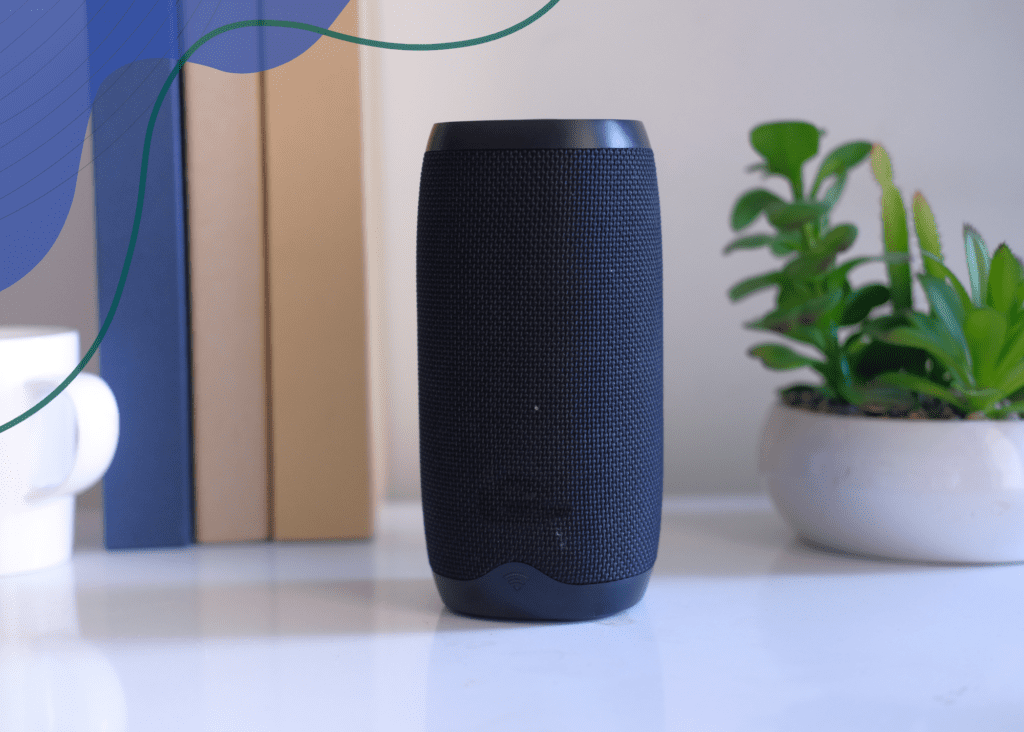
Lighting adjusts based on time of day. Thermostats learn your preferences. Voice assistants respond to natural language commands.
Healthcare
Hospitals use ambient intelligence to monitor patients without intrusive devices. Systems can detect changes in behavior or vital signs and alert staff immediately.
Workspaces
Offices use intelligent systems to optimize lighting, temperature, and even desk availability based on employee usage patterns.
Retail
Stores use sensors and AI to personalize shopping experiences, recommend products, and manage inventory in real time.
Why Ambient Intelligence Matters
Ambient intelligence improves both efficiency and quality of life. It reduces friction between humans and technology, making interactions more intuitive.
Key benefits include:
- Enhanced personal experience through automation
- Improved efficiency in homes and businesses
- Better decision-making through data insights
- Increased safety via real-time monitoring
Ambient intelligence also needs connectivity and an optimized infrastructure. Reliable, high-performance networks are essential for supporting IoT devices and real-time intelligent systems.
Challenges of Ambient Intelligence
While the benefits are clear, there are also challenges:
- Privacy concerns due to continuous data collection
- Security risks from connected devices
- Complex infrastructure needs for real-time processing
- Dependence on reliable internet connectivity
These challenges highlight the importance of strong network solutions and secure data practices.
The Future of Ambient Intelligence
The future of ambient intelligence is closely tied to advancements in AI, IoT, and edge computing. As systems become more sophisticated, they will deliver even more seamless and personalized experiences.
We can expect:
- Smarter cities with connected infrastructure
- More advanced healthcare monitoring systems
- Fully automated homes and workplaces
- Increased use of predictive analytics
Ambient intelligence will continue to evolve into a foundational layer of modern technology ecosystems.
How MHO Supports Ambient Intelligence
For ambient intelligence to function effectively, it depends on fast, reliable internet and strong network infrastructure. That’s where MHO comes in.
MHO provides high-performance connectivity solutions that support:
- IoT ecosystems and connected devices
- Real-time data processing and communication
- Scalable infrastructure for intelligent systems
Without reliable connectivity, ambient intelligence systems cannot operate efficiently. MHO helps ensure that these technologies perform at their best.
Future Considerations
What is ambient intelligence? It’s the next step in the evolution of technology, where systems don’t just respond, but anticipate. By combining artificial intelligence, machine learning, and IoT, ambient intelligence creates environments that adapt to human needs in real time.
As this technology continues to grow, it will reshape how we live, work, and interact with the world around us. And with the right infrastructure in place, businesses and individuals can fully unlock its potential.